
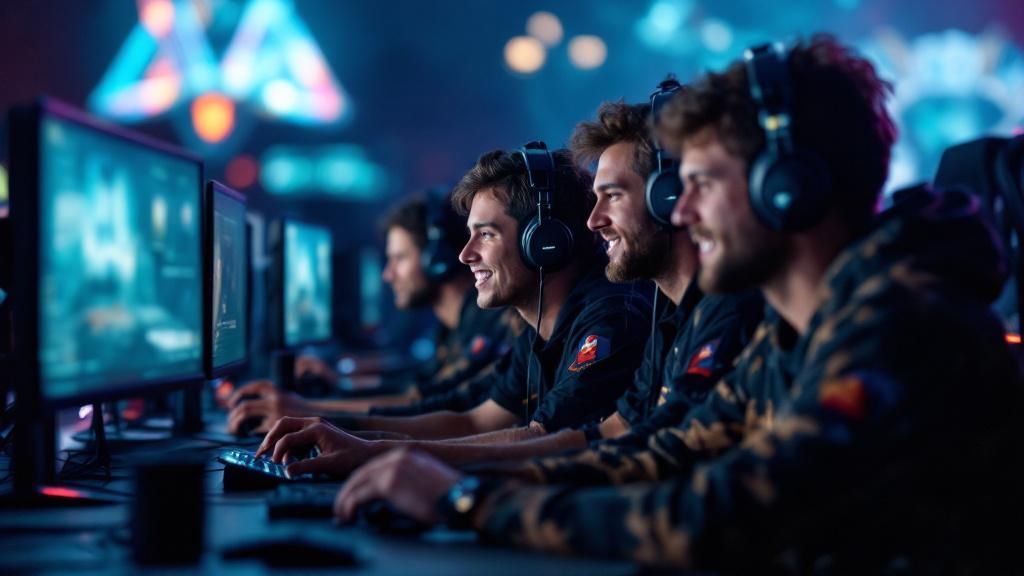
In an increasingly interconnected world, mobile gaming has gone beyond simple entertainment to become a powerful catalyst for authentic interpersonal bonds. Competitive tournament play across gaming platforms like PUBG Mobile and Call of Duty: Mobile has fostered thriving global communities where gamers forge meaningful friendships whilst competing for dominance. This piece examines how competitive gaming tournaments bring people together across different regions, investigating the psychological bonds formed through common interest, team-based cooperation, and the common ground of competition that converts recreational players into lifelong companions.
The Growth of Mobile Gaming Networks
The increasing prevalence of smartphones and improved internet connectivity has reshaped the gaming landscape, enabling millions of players worldwide to participate in competitive multiplayer experiences from nearly anywhere. What started as simple casual gaming has grown into a complex ecosystem of structured communities, professional tournaments, and purpose-built platforms. Mobile gaming communities have expanded rapidly, with titles such as PUBG Mobile, Clash Royale, and Call of Duty: Mobile engaging hundreds of millions of active players. This unprecedented scale has opened up unparalleled opportunities for social interaction and competitive participation on a worldwide basis.
These flourishing communities have substantially altered how gamers interact and build relationships. Rather than isolated experiences, mobile gaming now enables interconnected networks where players from varied geographic and cultural backgrounds come together over shared interests. Tournament structures, leaderboards, and ranked systems have established formal play, setting out clear pathways for improvement and acknowledgement. The accessibility of mobile platforms has made competitive gaming more accessible gaming, breaking down established barriers to entry and enabling talented individuals to demonstrate their skills internationally. Consequently, connections made within these communities often go beyond virtual spaces, becoming genuine personal connections.
Establishing Enduring Friendships By Way of Competitive Activities
Competitive tournament play functions as a significant catalyst for forging authentic bonds amongst mobile gamers globally. When players play against one another in organised tournaments, they experience mutual wins and setbacks that establish profound emotional ties. These experiences transcend geographical boundaries, allowing individuals from disparate cultures and backgrounds to relate at a basic level. The intensity of competitive gaming cultivates reciprocal regard and comprehension between participants, transforming initial acquaintances into trusted teammates and enduring friends who celebrate victories together and support one another through challenges.
The collaborative nature of squad competitions strengthens social bonding exponentially. Players must engage in clear communication, create plans together, and depend on each other’s strengths and experience. This shared dependence cultivates loyalty and friendship that reaches far further than individual matches. Squad members build private banter, common experiences, and a sense of belonging within their gaming communities. The frequent engagement required for event planning strengthens these bonds progressively, creating friendship groups that deliver emotional support, gaming friendship, and real connection that many participants cherish just as much as their offline relationships.
Tournament successes and setbacks alike add substantially to building friendships. Marking accomplishments together reinforces team unity, whilst managing defeats collectively builds resilience and empathy. Players develop an appreciation for each other’s strengths, work around limitations, and work synergistically towards mutual aims. These shared experiences create an indelible foundation for long-term friendships that commonly develop across different gaming platforms and reach into general life relationships, illustrating competition’s unique ability to connect people authentically.
Worldwide Competitive Formats and Tournament Competition
The structure of mobile esports competitions has evolved dramatically over the past decade, developing complex organisational models that enable competitive play on an extraordinary international scope. Major esports organisations and game developers have allocated considerable funding in establishing formalised league structures, regional qualifiers, and international championships that cater to millions of players worldwide. These competitive events function across multiple tiers, from entry-level community tournaments to formally regulated tournaments offering significant financial rewards. The consistent rule sets ensure impartial contests whilst enabling players from diverse geographical locations to compete against one another, cultivating a connection within the larger competitive environment and proving that talent surpasses geographical and cultural boundaries.
Competitive tournament formats have become instrumental in creating clear advancement routes for aspiring professional gamers and informal participants alike. Ranked seasons, ladder systems, and achievement-based advancement mechanisms encourage continuous engagement and personal improvement amongst participants. The transparent nature of tournament competition—where performance metrics are publicly displayed and achievements are universally recognised—creates an environment of merit-based recognition that appeals to competitors looking for acknowledgement and status. Furthermore, the incorporation of broadcast streaming services and viewing features has transformed competitive mobile gaming events into communal events, allowing vast audiences to watch thrilling matches whilst simultaneously reinforcing the bonds between competitors and supporters who celebrate victories and sympathise with losses together.
The Social Consequences of Organised Gaming Events
Formalised gaming competitions have significantly changed how players perceive rivalry and collective participation. These tournaments serve as catalysts for substantive engagement, surpassing geographical boundaries and cultural differences. When competitors engage on a worldwide platform, they experience a collective feeling of direction that reinforces personal connections. The formal design of organised tournaments creates occasions that allow players to showcase their abilities while also fostering mutual regard amongst fellow players. This setting fosters genuine friendships that often extend beyond the gaming arena into daily existence, illustrating how organised tournaments serve as meaningful relationship builders in the contemporary world.
The cascading impacts of these gaming events reach across broader societies, encouraging next-generation participants and fostering exemplars within the competitive gaming landscape. Elite-level events transmitted internationally show that gaming holds authentic social importance, encouraging participants to engage deeply in their peer groups. Players regularly indicate that event engagement has improved their interpersonal abilities and teamwork capacity with varied communities. Furthermore, the sponsorship and media coverage accompanying high-profile competitions validate gaming as a legitimate social activity, inspiring relatives and peers to champion competitive players. This acknowledgement reshapes isolated gaming experiences into celebrated cultural phenomena that strengthen social bonds worldwide.
